Brussels’ decision to impose tariffs on Chinese electric vehicles will impact companies such as BYD Co (OTC:BYDDF) and SAIC, as well as Tesla Inc (NASDAQ:TSLA), which manufactures in China.
Starting next month, the European Commission plans to apply provisional duties of up to 25% on imported Chinese EVs, aiming to counteract the subsidies Chinese manufacturers receive from their government.
This measure could escalate to about 35%, significantly lower than the 100% duties applied by the U.S., the Financial Times reports.
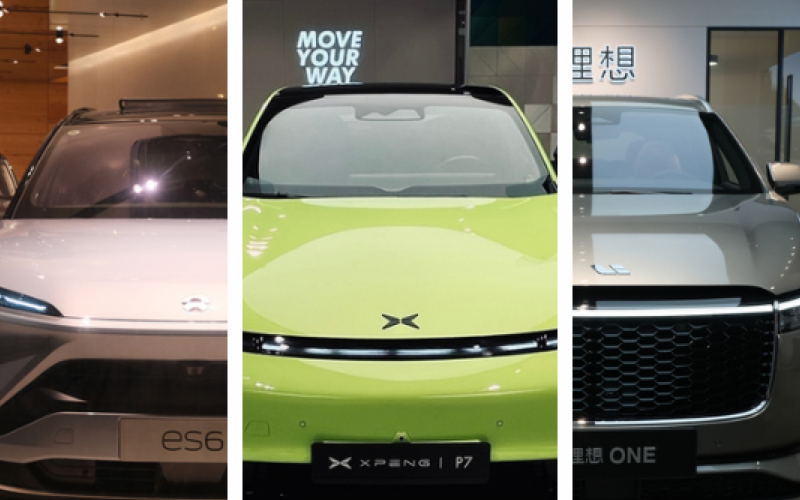
Also Read: Nio, XPeng, and Li Auto Surge in Sales with Aggressive Discounts Amidst Market Pressures
Chinese EV companies, including NIO Inc (NYSE:NIO) and Li Auto Inc (NASDAQ:LI), traded lower on Wednesday following the report. XPeng Inc (NYSE:XPEV) stock price did not react.
The tariffs, championed by France and Spain, are projected to generate over $2.15 billion (2 billion euros) annually for the EU budget as Chinese EV sales in Europe grow.
In 2023, China exported $10.76 billion (10 billion euros) worth of electric cars to the EU, FT noted.
The Kiel Institute, an economic think tank, suggests that an extra 20% tariff could cut Chinese electric car imports by a quarter, reducing about 125,000 units from the 500,000 vehicles imported in 2023.
2023 Germany alone exported 216,299 cars to China, experiencing a 15% drop from the previous year.
Volvo Car AB (OTC:VLVCY) recently migrated EV production to Belgium to dodge the EU tariffs.
Earlier in May, Mercedes-Benz CEO Ola Källenius urged the EU to reduce tariffs on EVs imported from China.
China is Tesla’s biggest market after the U.S. and accounted for 33% of global sales in 2023, CNN cited Rho Motion.
Price Actions: NIO shares traded lower by 3.14% at $4.32 premarket at the last check on Wednesday.
Disclaimer:Â This content was partially produced with the help of AI tools and was reviewed and published by Benzinga editors.
Photos via Shutterstock