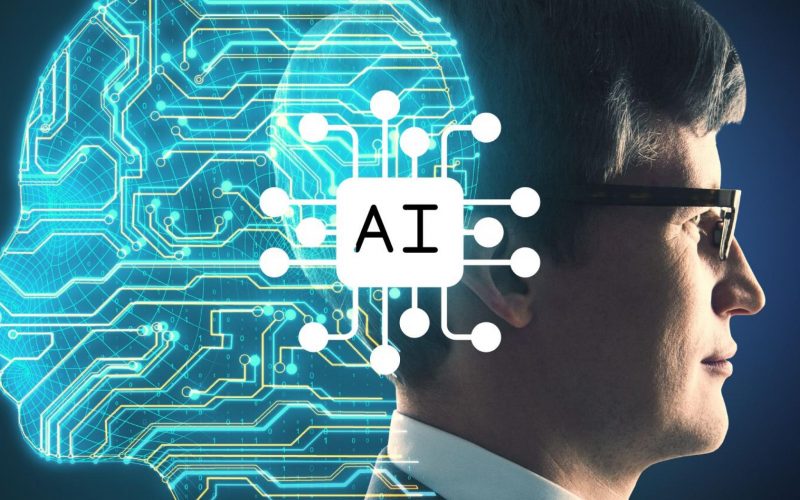
Artificial Intelligence (AI) has become an integral part of our lives, transforming the way we live, work and interact with technology. With its rapid advancements, AI has the potential to surpass human intelligence in the not-so-distant future.
According to a former Alphabet Inc. (NASDAQ:GOOG) (NASDAQ:GOOGL) Google officer, this is not a mere possibility but an inevitable outcome.
On a YouTube podcast/video, “The Diary Of a CEO,” former Google officer Mo Gawdat highlighted the inevitability of AI’s emergence, not due to technological constraints, but because of humanity’s inability to trust each other. This observation sheds light on the complex dynamics surrounding the development and regulation of AI technologies.
The first inevitable aspect of AI, as described by the former Google officer, is its unstoppable nature. Despite efforts to regulate and control its progress, the race to develop AI capabilities will persist.
See Also: Jim Cramer Compares AI To Hitler, Says ‘The Machines’ Pose Biggest Threat To Democracy In Ages, Could ‘Set Off Something Horrible’
The second inevitable aspect lies in the potential intelligence of AI systems. Gawdat predicts that AI will be a staggering one billion times smarter than humans by 2045. This claim may seem astounding, but it aligns with the exponential growth and learning capacity of AI systems. Existing AI models, such as the GPT series, already possess a depth of knowledge surpassing that of any single human.
It is essential to understand the nature of AI’s intelligence. Gawdat highlighted AI’s intelligence is not original or creative in the traditional sense. Rather, AI’s strength lies in its ability to merge and predict information based on vast datasets. It can combine existing concepts in new and intriguing ways, mimicking the algorithm of creativity itself.
This remarkable ability to generate novel insights challenges our preconceived notions about human ingenuity and paves the way for AI-driven innovation.
The interview also touched on the potential implications of AI’s intelligence surpassing our own. As AI becomes increasingly capable, the need for certain human roles, even highly skilled ones, may diminish.
The former Google officer raised important questions about our relevance and value in a future where AI systems can outperform us in various domains. While some may embrace this paradigm shift, others may fear the loss of livelihoods and the impact on societal structures.
Read Next: ‘I Made Them Up’: Google’s AI Tool Admits To Falsifying Information, Apologizes To Reporter