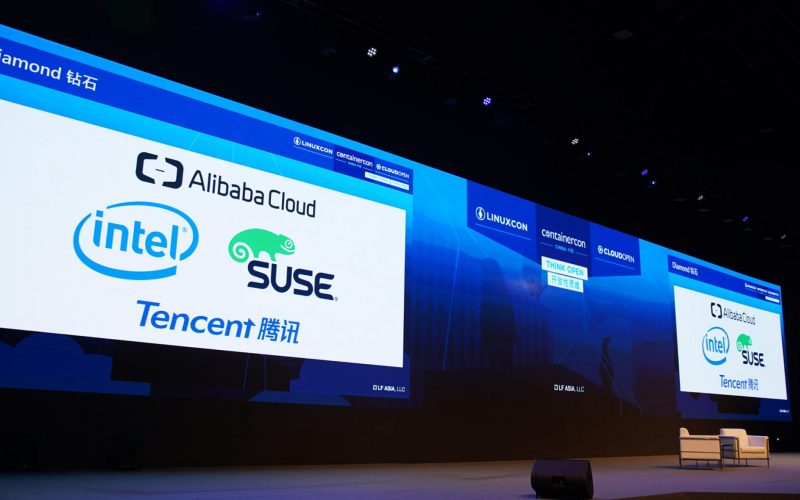
- Alibaba Group Holding Limited’s (NYSE:BABA) cloud computing services subsidiary collaborated with Shenzhen Data Exchange to strengthen how companies transact data in line with the country’s digital economy plans.
- Their coverage included data infrastructure construction, data ecology, exploration of large-scale model applications, and other areas to promote commercial information exchange, SCMP reports.
- Before the deal, Alibaba Cloud was already working with several clients in the same sector, including Hangzhou International Digital Exchange Centre and Guiyang Big Data Exchange in the capital of southwest Guizhou province.
- Huang Haiqing, China president at Alibaba Cloud Intelligence, said the company’s collaboration with Shenzhen Data Exchange would be extensive, ranging from big data and cloud computing to artificial intelligence services.
- In 2022, Alibaba Cloud remained the top cloud infrastructure services provider in mainland China, with a 36% share of the market’s $30.3 billion overall revenue that year, according to Canalys.
- Under Alibaba’s latest restructuring plans, its Cloud Intelligence Group will become one of six independently run entities.
- Alibaba Cloud recorded a 3% year-on-year revenue growth to $2.92 billion in the third quarter of FY22, marking its slowest growth last year.
- Price Action: BABA shares traded lower by 2.80% at $86.64 on the last check Monday.
- Photo via Wikimedia Commons

AllTrails, Photomator And Generative AI: Here Are The Winners Of 2023 Apple App Store Awards
Applications that fostered positive change and had a significant cultural impact, such as Pok Pok, Proloquo, Too Good To Go, etc. were also recognized.