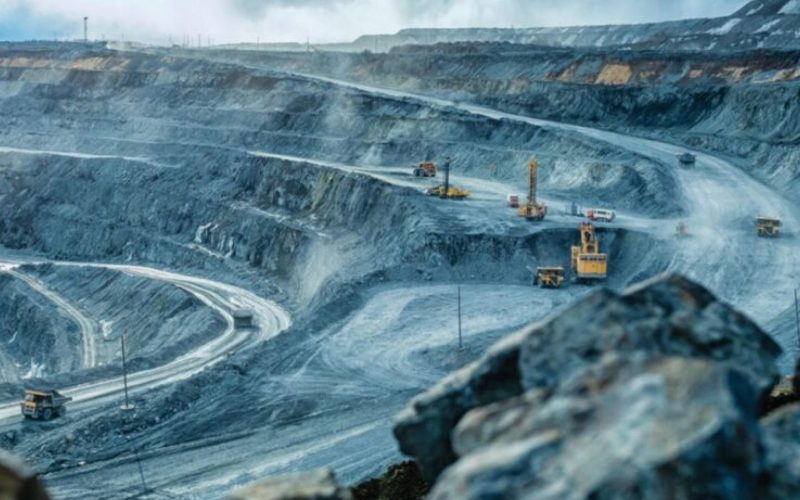
After almost three decades of legal, financial, and political setbacks, Rio Tinto (LSE: RIO) is looking to break ground on the world’s largest mining project in the Simandou mountains of Guinea.
When Rio Tinto secured an exploration license for Simandou in 1997, Bill Clinton was starting his second term, Steve Jobs returned to Apple, and the google.com domain got registered. Since then, the project faced legal disruptions, funding issues and political instability. Guinea went through two coups d’état and multiple changes in leadership.
Now read: As Oversupply Deflates Lithium Bubble, IPO Market Keeps In High Spirits
The Simandou project encompasses two iron mines, a sprawling 400-mile rail system, and a strategically positioned port off the coast of Guinea’s capital, Conakry. Such a complex project required venture partners like Chalco Iron Ore Holdings and the largest global steel producer China Baowu Steel Group.
“The capital number is so big for any single party,” Rio Tinto’s Chief Executive Bold Baatar stated in an interview with the Financial Times, putting the price tag at Rio Tinto’s initial investment at $6.2 billion.
He added that the world’s easily reachable ore deposits have already been excavated. Thus, new mining projects grow in complexity and price and require multiple backers. Although officially the head of the copper business, Baatar has been working on the Simandou project for the past seven years.
Steelmaking typically requires heating iron ore in a blast furnace using coal-based fuel like coke. While it is possible to work with hydrogen and carbon monoxide instead, such processes require high-grade iron ore. Since steelmaking creates about 8% of global emissions, there are large benefits from decarbonizing this process.
Referring to the high grade of Simandou’s ore, Bataar called it “the caviar of iron ore.”
“The fundamental shift in the last number of years has been that the world is far more in agreement on climate change,” he said.
First production at Simandou is expected to start in 2025, reaching an annualized capacity of 60 million tons per year, with Rio Tinto’s share of approximately 27 million.
Also read: Barrick Partners With Antofagasta To Prospect For Chilean Copper Amidst Tightening Global Supply
Photo: Shutterstock