- Intel Corp (NASDAQ:INTC) scaled back expectations for its Mobileye initial public offering amid a broader stock recession and could delay the share sale until 2023 from the prior mid of 2022, pending recovery, Bloomberg reports.
- Intel expects the IPO to value the self-driving technology business at up to $30 billion, down from an initial valuation of over $50 billion.
- CEO Pat Gelsinger aimed to capitalize on the Israel-based business with a partial spinoff of its shares.
- Mobileye makes chips for cameras and drive-assistance features and is considered a prized asset as the car industry races toward fully automated vehicles.
- Mobileye clocked a 41% sales growth to $460 million in Q2. The operating income rose 43% to $190 million.
- However, Intel’s struggle against a bear market for chip stocks and a dearth of IPOs, made it harder to complete the deal.
- In China, Softbank Group Corp (OTC: SFTBY) aspired for chip designer Arm Ltd’s unusual dual primary listing in New York and London, despite the higher costs and regulatory complexities of different exchanges.
- Seagate Technology Holdings PLC (NASDAQ: STX) slashed its outlook for the fiscal first quarter ending September 30, 2022, against a worsening macro backdrop.
- Micron Technology, Inc (NASDAQ: MU) also expected Q4 revenue to miss the revenue guidance range.
- Peer Nvidia Corp (NASDAQ: NVDA) offered cautious third-quarter revenue as gaming and professional visualization revenue declined.
- Price Action: INTC shares traded higher by 0.70% at $31.78 in the premarket on the last check Tuesday.
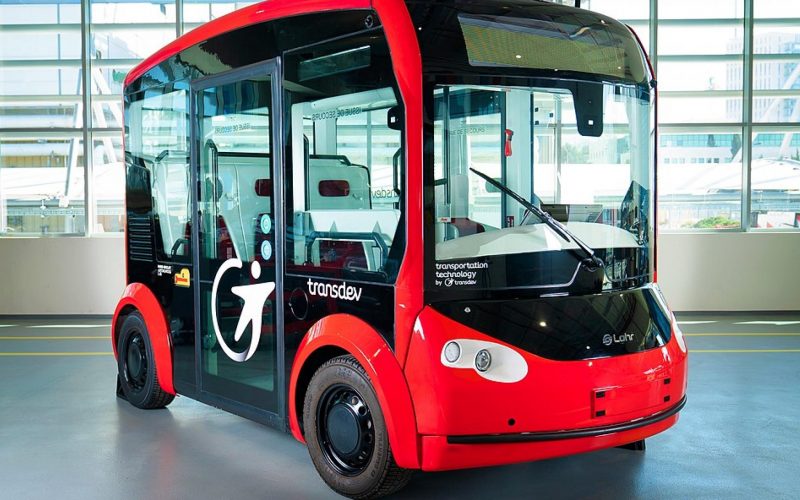
- Mobileye autonomous shuttle photo via Wikimedia Commons

Morgan Stanley, Snowflake And 2 Other Stocks Insiders Are Selling
The Nasdaq 100 closed higher by around 0.1% on Thursday. Investors, meanwhile, focused on some notable insider trades.