


Apple Inc. (NASDAQ:AAPL) is reportedly planning to release a thinner and potentially more expensive iPhone 17 in 2025.
What To Know: This new model, internally codenamed D23, is anticipated to be a significant redesign, akin to the transformative iPhone X in 2017. Sources from The Information have revealed that Apple is shifting its focus to reducing the depth of the iPhone chassis, aiming to make it the thinnest iPhone ever. This move follows the release of Apple’s thinnest-ever iPad Pro. Unlike the common rumors about slimmer bezels, the current claim specifically highlights a reduction in the overall thickness of the iPhone.
The screen size of this new model may fall between the current iPhone 16 Pro Max’s 6.69 inches and the iPhone 16’s 6.12 inches. However, the exact dimensions of the thinner iPhone are still unknown.
What Else: Reports also suggest that the introduction of the D23 model won’t expand the total number of iPhone variants. Instead, Apple might drop the iPhone 16 Plus to make room for the new addition. However, there are conflicting rumors about whether the iPhone 16 Plus, with its 6.7-inch screen, will be discontinued or continue alongside the new models.
As Apple continues to innovate and refine its product designs, the anticipation for the iPhone 17’s launch is building, and the market is responding accordingly.
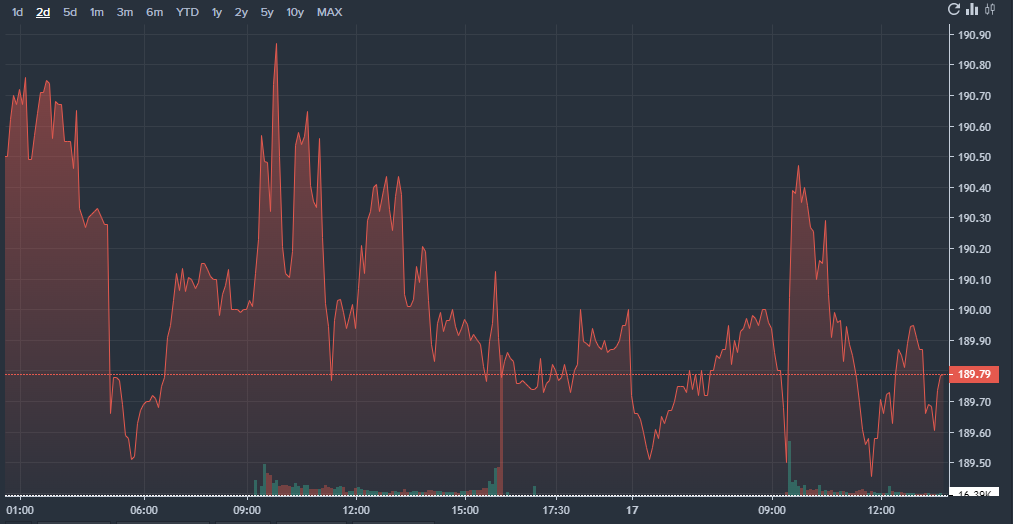
AAPL Price Action: Apple Inc shares are currently down by 0.12% at $189.62 according to Benzinga Pro.
See Also: Why Is DXC Technology Stock Tumbling Friday?
Photos: courtesy Apple & Microsoft


