


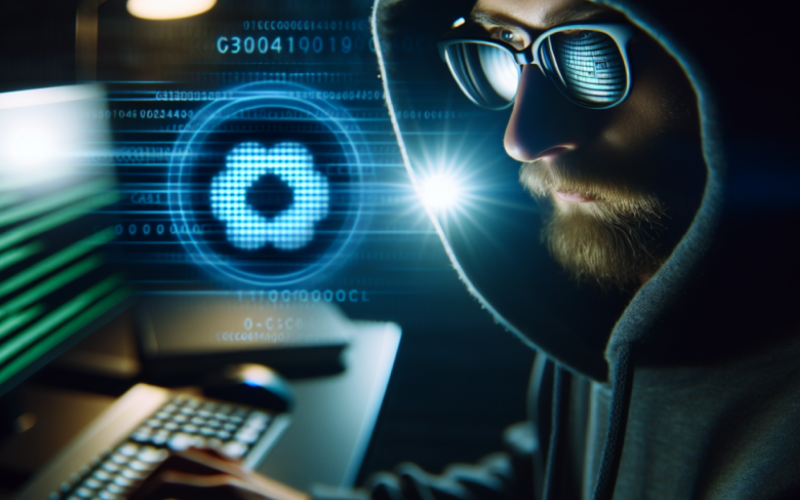
In a recent interview, CrowdStrike (NASDAQ:CRWD) CEO George Kurtz explained why Russian hackers, particularly the group known as Nobelium, pose a significant challenge to cybersecurity.
What Happened: In an interview with CNBC, Kurtz discussed the recent security breach of Microsoft (NASDAQ:MSFT) by a Russian intelligence group. The group, known as Nobelium, was able to access the email accounts of top Microsoft executives.
“This is a very determined adversary, but we’ve seen Cozy Bear in many different accounts, and the thing that makes them so difficult is they’re low and slow, the way they operate,” he said.
Kurtz noted that Nobelium’s tactics are drawn-out, patient, and difficult to detect, making them distinct from other foreign adversaries. He emphasized that CrowdStrike uses its algorithms to identify these “low signals” and has been successful in stopping Nobelium in the past. He also mentioned that some of Microsoft’s customers seek additional support from CrowdStrike.
See Also: Masimo CEO ‘Wholeheartedly’ Feels Apple Watch Users Are Better Off Without Blood Oxygen Monitoring Feature
Why It Matters: The recent breach of Microsoft by Nobelium is not the first time Russian hackers have made headlines. In August, it was reported that Russian hackers had developed a new tool, Hidden Virtual Network Computer (VNC), that could give them full access to Apple Mac devices, allowing them to steal personal data and login credentials.
In July, China-based hackers exploited a vulnerability in Microsoft Cloud to access U.S. government emails for a month. The attack took place ahead of a U.S.-China meeting and Commerce Secretary Gina Raimondo was amongst the senior U.S. government officials targeted.
Read Next: AI Stocks Dominate In January: Nvidia, Juniper, Palo Alto Lead The Charge
Image by Dall-E
Engineered by
Benzinga Neuro, Edited by
Pooja Rajkumari
The GPT-4-based Benzinga Neuro content generation system exploits the
extensive Benzinga Ecosystem, including native data, APIs, and more to
create comprehensive and timely stories for you.
Learn more.


