Wednesday, Takeda Pharmaceutical Co Ltd’s (NYSE:TAK) dengue vaccine received World Health Organization’s (WHO) prequalification.
TAK-003 is the second dengue vaccine to be prequalified by WHO.
The prequalification makes it eligible for procurement by United Nations agencies like UNICEF and Pan American Health Organization (PAHO).
The vaccine, dubbed Qdenga, is approved in Indonesia, Brazil, the European Union (EU), Iceland, the U.K., Norway, and Lichtenstein.
Developed by Takeda, it is a live-attenuated vaccine containing weakened versions of the four serotypes of the virus that cause dengue.
WHO recommends using TAK-003 in children aged 6–16 in settings with high dengue burden and transmission intensity.
Related: Japan’s Takeda Pharma Outlines $900M Overhaul To Boost Growth, As 2023 Profit Fall Over 50%.
The vaccine should be administered in a 2-dose schedule with a 3-month interval between doses.
Following discussions with the FDA in July last year, Takeda voluntarily withdrew its marketing application for TAK-003, citing data collection issues.
The drugmaker said the future plan for the candidate, TAK-003, in the U.S. would be further evaluated, given the need for travelers and those living in dengue-endemic areas of the U.S., such as Puerto Rico.
In February, Takeda and Biological E. Limited partnered to expedite the distribution of Qdenga. These vaccines will be available for government procurement in dengue-endemic countries by 2030.
Biological E. plans to scale up to produce 50 million doses annually, supporting Takeda’s goal of producing 100 million doses a year within the next decade. This partnership will leverage Takeda’s existing manufacturing in Singen, Germany, and its collaboration with IDT Biologika GmbH.
The WHO prequalification list also includes the CYD-TDV vaccine against dengue developed by Sanofi SA (NASDAQ:SNY).
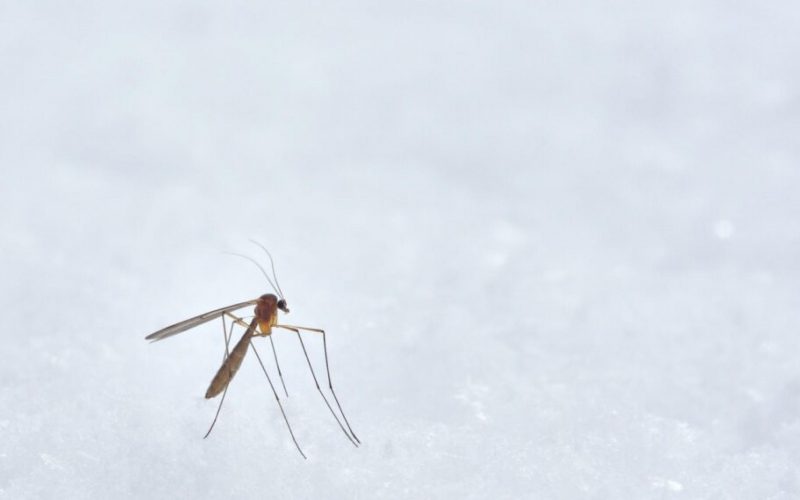
Dengue is a vector-borne disease transmitted by the bite of an infected mosquito.
It is estimated that over 100-400 million cases of dengue occur worldwide each year and that 3.8 billion people live in dengue-endemic countries, most of which are in Asia, Africa, and the Americas.
The largest number of dengue cases reported was in 2023, with the WHO Region of the Americas reporting 4.5 million cases and 2300 deaths.
Price Action:Â TAK shares are trading at $13.45 at last check Wednesday.
Photo by Wolfgang Hasselmann on Unsplash