Rivian Automotive, Inc. (NASDAQ:RIVN) shares are trading lower as the stock pulls back following strength on Wednesday.
What To Know: Rivian stock received a short boost on Wednesday following solid third-quarter earnings results, released after hours on Tuesday.
The company reported a quarterly loss of $1.19 per share, which came in above analyst estimates of a loss of $1.32 per share. Revenue clocked in at $1.337 billion, beating the consensus estimate of $1.327 billion.
The company also reported that it produced 16,304 vehicles and delivered 15,564 during the quarter.
Additionally, the 2023 production forecast was increased to 54,000. Production line advancements, the ramp of the company’s in-house motor line, and an improved outlook on the supply chain were the reasons provided for the guidance increase.
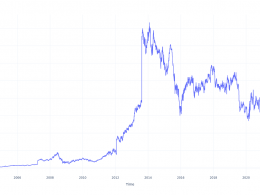
Following the post-earnings gains on Wednesday, shares of Rivian have since pulled back, trading lower by over 12% on Thursday. Also since the report, two analysts also lowered their price targets on the stock. On Nov. 8, Wells Fargo analyst Colin Langan maintained Rivian Automotive with a Equal-Weight and lowered the price target from $24 to $19 and Cantor Fitzgerald analyst Andres Sheppard maintained the stock with a Overweight and lowered the price target from $29 to $27.
Related Link: What Will Be AMC’s Innovative Recovery Path Post-Pandemic? This Analyst Wants To Wait And Watch
RIVN Price Action: Shares of RIVN were down 9.31% at $15.42 at the time of publication, according to Benzinga Pro.
Image by Goran Horvat from Pixabay